What to Do After a Car Accident in Florida: A Step-by-Step Legal Guide
After a car accident in Florida, the steps you take in the next few hours are the ones that will either protect your claim or quietly destroy it. Florida runs a no-fault insurance system, enforces a two-year statute of limitations for most accidents, and uses comparative negligence rules that let insurers chip away at what they owe you based on your own behavior at the scene. This guide covers what to do first, what a car accident lawyer actually does on your behalf, and what to realistically expect as your case moves toward a settlement or a courtroom.
Your First 24 Hours After a Florida Car Accident: Critical Steps to Protect Your Claim
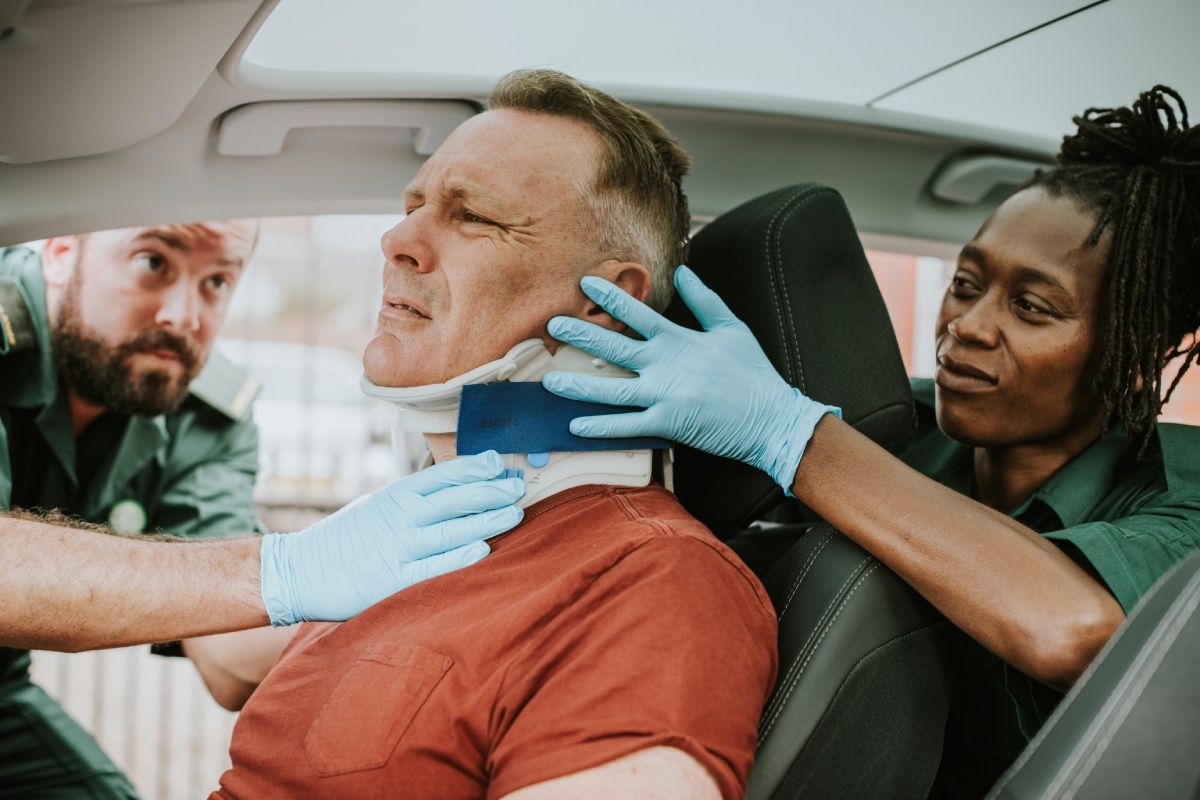
Get checked by a doctor the same day as your accident, full stop. Florida's personal injury protection system requires you to visit a licensed medical provider within 14 days of a crash to keep your no-fault PIP benefits intact. That window sounds reasonable until you realize that insurance adjusters track whether you went quickly, and a gap in treatment almost always gets used against you later, regardless of how you felt leaving the scene.
At the crash site, call 911 before you move your vehicle or start exchanging information. A police report creates an independent, timestamped account of what happened, and it's one of the first things a car accident attorney will request when reviewing your case. While you're waiting, photograph everything: vehicle positions relative to the intersection, skid marks, road debris, traffic signals, and any visible injuries on your body. If there are witnesses, get their names and phone numbers before they leave.
The conversation you have at the scene matters in ways people don't always appreciate. Florida's modified comparative negligence standard means that whatever percentage of fault gets assigned to you reduces your recovery by that same amount. If you're found more than 50% at fault, you recover nothing at all. Adjusters from the other driver's insurance carrier are trained to phone claimants quickly and ask open-ended questions designed to get them to say something that locks in a fault percentage before any investigation has occurred. Don't give a recorded statement to any insurer before you've spoken with a personal injury attorney.
- Call 911 from the scene so a police report documents the crash independently of either driver's account
- Photograph vehicle positions, road conditions, traffic controls, and any injuries before anything is moved
- Get names and phone numbers from every witness present, including bystanders who aren't involved in the accident
- Seek medical evaluation within 14 days to preserve Florida PIP benefits; same day is always the safer choice
- Write your own account of the crash that evening, while the sequence of events and sensory details are still clear
One thing worth noting: refusing to give a recorded statement isn't obstruction or bad faith. You're under no legal obligation to help the other driver's insurer build a case. A personal injury law firm that knows Florida auto accident litigation will make that first contact with the insurance company on your behalf, controlling what information gets shared and when.
How a Car Accident Lawyer Can Maximize Your Florida Settlement
What a car accident lawyer does is close the gap between what the insurer offers and what your claim is actually worth. That gap tends to be significant. Claimants who represent themselves routinely accept the first or second offer without knowing that the demand package their attorney would have built, supported by physician opinions, wage loss records, and documented future treatment needs, could justify a substantially higher number.
Evidence preservation is one of the first things an attorney handles, and it's time-sensitive in ways most people don't realize. Surveillance footage from traffic cameras and nearby businesses typically overwrites within 30 to 60 days. Vehicle black box data requires a formal legal hold to preserve. Attorneys know how to send spoliation letters to the parties who control that material, and they do it immediately, before the other side has a reason to let it disappear.
How Legal Representation Changes Your Claim Outcome
| Claim Stage | Without an Attorney | With a Car Accident Lawyer |
|---|---|---|
| First insurance contact | Adjuster controls the conversation; recorded statements taken early | Attorney intercepts contact; no recorded statement given |
| Medical documentation | Claimant gathers records; gaps are common and costly | FernanFirm coordinates with treating providers; full record builtdez |
| Settlement offer | First offer accepted; often 40-60% below actual value | Demand package submitted; negotiations anchored to documented losses |
| Fault disputes | Difficult to challenge; comparative negligence cuts recovery | Counter-evidence built from witness statements, footage, and reconstruction |
| Litigation posture | Insurer knows lawsuit unlikely; low-ball offers persist | Trial-ready reputation pressures fairer pre-suit resolution |
Florida's comparative negligence system creates another problem for unrepresented claimants: fault is often disputed, and the dispute usually favors the insurer. When the other driver's carrier claims you were 20% responsible for the crash, that figure didn't come from a neutral analysis. It came from an adjuster whose job is to reduce the payout. A personal injury attorney builds a counter-record using witness statements, accident reconstruction data, and camera footage to challenge that percentage before it's locked into a settlement agreement.
There's also the question of coverage sources that claimants frequently miss. Florida has one of the highest rates of uninsured drivers in the country, and many accidents involve drivers whose policies don't come close to covering serious injuries. An auto accident lawyer reviews your own policy for uninsured and underinsured motorist coverage, examines whether any third parties share liability, and checks for any umbrella coverage that might apply. Leaving one of those sources unclaimed can mean the difference between a fair result and a recovery that doesn't cover your bills.
- Spoliation letters sent within days of retention preserve surveillance footage and black box data before it's gone
- Demand packages built around physician opinions on future treatment needs consistently support higher auto accident settlement figures than self-negotiated claims
Car Accident Claims in Florida: Timelines, Fees, and What to Expect
Florida's statute of limitations gives most car accident victims two years from the date of the crash to file a personal injury lawsuit, for accidents that occurred on or after March 24, 2023. Two years feels like a long runway until you're dealing with ongoing medical treatment, uncooperative insurers, and a firm that needs several months to properly investigate and document a complex claim. Cases that start late tend to settle under pressure, not on terms the claimant chose.
The contingency fee structure most personal injury attorneys use means you don't pay legal fees unless the firm recovers money for you. At The Dill Law Group, the standard fee is one third (33.33%) for matters resolved before a lawsuit is filed. Cases that require litigation carry a 40% fee, with case costs deducted from the recovery after the fee, consistent with Florida Bar requirements. That alignment of financial interest is intentional: the firm gets paid more when you recover more, so the incentive runs in the same direction.
How long your claim takes depends heavily on what's being disputed. A straightforward car accident claim with clear liability and a cooperative insurer can resolve through pre-suit negotiation in three to six months. Add disputed fault, serious injuries requiring ongoing treatment, or an uninsured motorist component, and the realistic timeline stretches to a year or more. The Dill Law Group gives clients regular case updates throughout the process, so you're not left guessing where things stand while the other side deliberates.
- Simple liability cases with minor injuries and a cooperative insurer can resolve pre-suit in three to six months
- Serious injury cases, wrongful death claims, and disputes over comparative fault frequently require a year or longer to resolve properly
The one thing almost every first-time claimant underestimates is how permanent a settlement is. Signing a release closes your claim forever. If your injury turns out to be more serious than the initial diagnosis suggested, or if you need surgery six months after settling, there's no going back to recover additional compensation. Part of what a car accident attorney does is make sure you understand the full medical picture before you put your signature on anything that ends your rights.
Frequently Asked Questions
How long do I have to file a car accident claim in Florida?
Two years from the date of the crash for accidents occurring on or after March 24, 2023. That's the current statute of limitations for personal injury lawsuits in Florida, and it's a hard cutoff. Courts don't grant extensions because you were still treating, still negotiating with the insurer, or simply didn't realize the deadline had passed. Beyond the legal filing deadline, waiting also weakens your position in pre-suit negotiations: insurers have less incentive to settle fairly when they know the clock is almost up. Getting a free case evaluation early costs nothing and preserves every option.
What if I feel fine right after the accident?
See a doctor anyway, ideally that same day. Soft tissue injuries, spinal compression, and even traumatic brain injuries frequently don't produce noticeable symptoms for 24 to 72 hours after the crash. By the time the pain becomes undeniable, the delay in treatment has already given the insurance adjuster an argument that your injuries weren't caused by the accident or weren't serious enough to warrant prompt care. Florida's 14-day PIP requirement adds a financial reason on top of the medical one: missing that window can forfeit up to $10,000 in no-fault coverage.
The other driver was uninsured. Do I still have a claim?
Probably yes, depending on your own policy. Florida has a high rate of uninsured drivers, so this situation comes up regularly in personal injury cases. Your own auto policy may include uninsured motorist (UM) or underinsured motorist (UIM) coverage that steps in when the at-fault driver can't cover your losses. These claims go through your own insurer but still involve negotiation, and insurers handling UM claims can be just as resistant as third-party carriers. An auto accident lawyer reviews every potential coverage source to make sure nothing's left unclaimed.
How does Florida's comparative negligence law affect what I can recover?
Under Florida's modified comparative negligence standard, your recovery is reduced by whatever percentage of fault is assigned to you. If you're found 20% at fault, you collect 80% of your damages. If you're found more than 50% responsible, you collect nothing. The challenge is that fault percentages aren't determined by neutral arbiters: they come out of negotiations where the other driver's insurer is actively working to assign you as much responsibility as possible. Building a strong counter-record, through witness statements, camera footage, and accident reconstruction, is one of the core things a personal injury attorney does to protect your recovery.
What does it actually cost to hire a car accident attorney in Florida?
Nothing upfront. Personal injury cases at The Dill Law Group are handled on a contingency fee basis, meaning legal fees are only owed if the firm recovers compensation on your behalf. The fee is one third (33.33%) for claims resolved before a lawsuit is filed, and 40% for matters that require litigation, with costs deducted from the recovery after the fee consistent with Florida Bar rules. The initial consultation is free. That structure means there's no financial reason to delay getting a professional assessment of your claim, and no out-of-pocket risk if the case doesn't result in a recovery.
Legal Disclaimer: The content provided on this blog is for informational and marketing purposes only and does not constitute legal advice or create an attorney-client relationship. The information contained herein is general in nature and may not apply to your particular legal situation. Readers should not act or refrain from acting based on any content on this blog without first seeking appropriate legal or professional advice. This blog is intended solely for the promotion and marketing of The Dill Law Group's services and has been drafted through the support of non-lawyers. No content may be copied, reproduced, distributed, or used for any other purpose without the express written consent of The Dill Law Group. Viewing or publicly interacting with this blog does not create any obligation on the part of the firm to provide legal representation, and communications through this platform may not be confidential or privileged. For legal advice specific to your situation, please contact our office directly at (407) 367-0278 to have a free consultation about your particular case, which is protected through the attorney-client relationship.